
AUTISM SPECTRUM SUPPORT & LATE DIAGNOSIS“

“The Hidden Signs of Autism No One Told You About — Especially in Girls”
As parents, we rely on our instincts. We know when something is “off,” even if we can’t put it into words. But when it comes to autism—especially in girls—those instincts often go ignored because the signs look so different from the stereotypical picture we've been shown.
Autism isn’t always loud. It isn’t always obvious. And it isn’t always early.
Today, more parents than ever are discovering that their child—often an older child or teen—has been quietly struggling for years.
Why Girls Are Diagnosed So Much Later
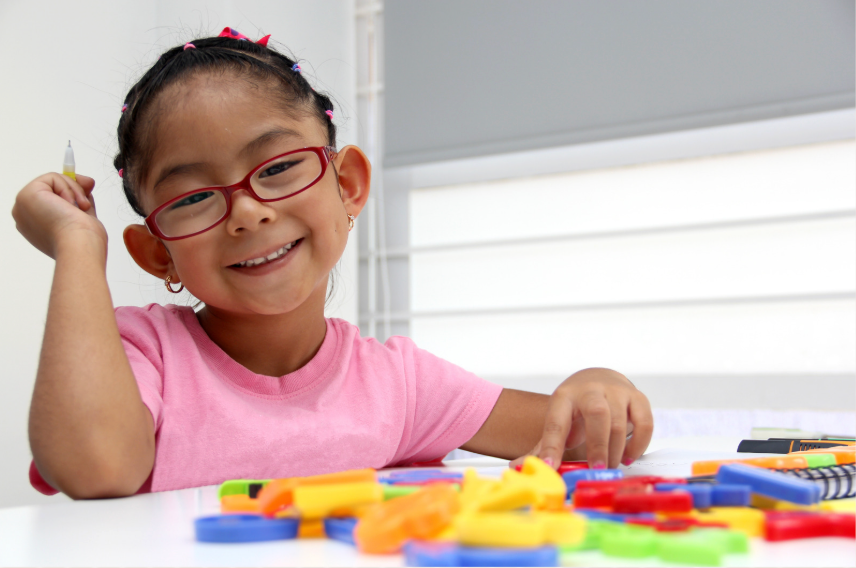
Girls tend to “mask”—a form of social camouflaging where they copy other kids’ social behavior to fit in. They seem polite, quiet, imaginative… but inside, they may be overwhelmed, exhausted, and anxious.
Research shows girls are frequently missed because:
They mimic peers socially
They internalize struggles instead of acting out
Their interests seem “normal” (horses, books, art) but are actually intense and obsessive
They are often people-pleasers
This creates a perfect storm: girls who appear fine on the outside while carrying invisible emotional weight on the inside.
Case Study: Emma, Age 12
Emma was the kid every adult adored—quiet, helpful, rule-following. But at home, she unravelled. Loud noises sent her into panic. She fixated on routines.
Group projects made her cry. Her parents assumed anxiety… until a psychologist pointed out patterns they had missed for years.
Emma wasn’t “too sensitive.” She was autistic—she had just become an expert at hiding it.
Her diagnosis changed everything. It gave her parents a roadmap to understand her sensory needs and gave Emma permission to be herself.
Subtle Signs Many Parents Miss
As parents, here’s what we wish someone had told us sooner:
1. Social Exhaustion After SchoolHolding it together all day drains autistic kids.
2. Sensory FloodingFoods, fabrics, noises, lights—they’re all more intense.
3. Hyperfocused InterestsDeep, immersive passions that bring comfort and predictability.
4. Difficulty With Unstructured Social PlayKids may script conversations or play alone.
5. Emotional Outbursts That Seem “Random”They aren’t random—they’re a release after camouflaging.
What Actually Helps (Based on Evidence)
• Sensory accommodations — noise-canceling headphones, predictable routines, sensory breaks.
• Social “coaching,” not forcing — teach scripts, decoding cues, and safe exits.
• School support plans — 504/IEP accommodations make a huge difference.
• Occupational therapy for sensory regulation.
• Speech-language therapy for pragmatic social communication.
• Give them a safe place to drop the mask at home.
Autism isn’t something to fear—it's something to understand.
When we stop expecting our children to fit a mold and instead learn their language, everything changes. Late diagnosis isn’t failure—it’s the beginning of clarity, connection, and support.
I know this firsthand.
When my son Chris was little, I noticed early signs that he was globally behind.
He had some autistic tendencies, yet he was remarkably verbal even though it was mostly vowels in the beginning—and he was bright in ways that didn’t fit the “checklists.”
Like so many parents, I was unsure what was happening, but I committed to understanding him instead of forcing him into a system that wasn’t built for his way of thinking.
I incorporated every strategy I shared in this article—sensory support, emotional coaching, routines, communication scaffolding, strengths-based learning, and advocating fiercely at school.
It wasn’t always easy, but it was incredibly worth it.
Today, Chris is a thriving adult, living in a warm, well-cared-for campus community where he has friends, activities he loves, and ways to contribute to the world around him.
Most of all… he is deeply, authentically happy.
Our kids aren’t broken—they’re brilliant in ways the world is only beginning to appreciate.

And when we meet them where they are, instead of where the world thinks they should be, they show us just how extraordinary they truly are.


Comments